



Unlock the deliciousness and nutrition of squid head, even beginners can easily control it
When it comes to squid, many people tend to think of Q-round squid meat first, but often overlook the delicious squid head hidden in the deep sea. As the core part of squid, the squid head has tender meat and a crispy texture. It is not only rich in various nutrients, but also has a wide range of cooking methods. Whether stir fried, grilled or stewed, it can present a unique flavor and is an indispensable seafood delicacy on the dining table.
The nutritional code of squid heads hides equally valuable health benefits
Squid heads are not "scraps" and their nutritional density should not be underestimated. It belongs to high protein, low-fat ingredients, rich in high-quality protein, which is an important component of human tissue and repair of damaged cells. It can provide support for normal metabolism and immune function, and is suitable for supplementing the nutritional needs of various populations.
It should be noted that although squid heads are good, they should be consumed in moderation; People who are allergic to seafood should avoid consumption to ensure food safety.
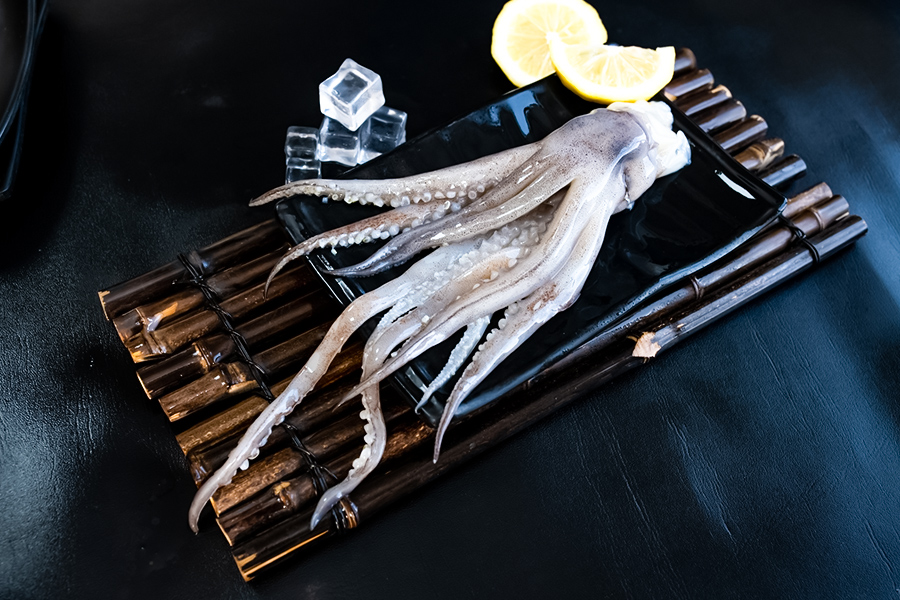
Tips for Choosing Squid Heads: Choosing the Right Ingredients for Freshness
Choosing fresh and high-quality ingredients is key to making delicious squid head dishes. By mastering the following tips, you can easily select fresh squid heads and avoid the trap of inferior ingredients:
Color: The surface of high-quality squid heads is a light brown color with a hint of white frost, appearing semi transparent, and there is no red color on the back; Poor quality squid heads have a reddish yellow color with a slight black tint, no luster, excessive white frost on the surface, and even black red or moldy red on the back; Pure white squid heads are often treated with bleach and are not recommended for purchase.
Touch hardness: Fresh squid heads feel soft and elastic, not stiff, and slightly moist; Poor quality squid heads have a hard texture and do not rebound when pressed, and may even become sticky.
Appearance and connectivity: High quality squid heads have a complete and solid body shape, with complete foot contact; The head and body of fresh squid are tightly connected, and gently pulling and touching the feet can feel a noticeable resilience; If the connection is loose and the body shape is incomplete, it is mostly stale food.
Smell: Fresh squid headband has a natural seafood fishy and fresh flavor, without any other odors; If you smell ammonia or putrid odor, it indicates that it has deteriorated and should not be purchased.
Steps for cleaning squid heads, clean and odorless for peace of mind
The key to cleaning squid heads is to remove impurities and fishy smell. Many people find cleaning troublesome, but in fact, mastering the correct steps can be done in a few minutes, and even beginners can easily get started:
1. Separation and impurity removal: First, separate the squid head and squid meat, and rinse the surface impurities with clean water; Cut the cartilage connecting the severed head and the body with scissors, hold the head with one hand and gently pull with the other hand to remove the internal organs completely. Discard and avoid damaging the internal organs and contaminating the meat.
2. Film removal and scrubbing: There is a black film on the surface of the squid head, which has a fishy smell and needs to be peeled off; When tearing off the film, it can be washed and pulled under the faucet for easier operation; The suction cup on the foot has calcified cartilage, which can be gently rubbed with a little edible alkali or salt to remove residual impurities and mucus, and then rinsed clean with water.
3. Blanching to remove fishy smell: Clean squid heads can be blanched in boiling water for 15-30 seconds. If they curl slightly when touched, immediately remove them and drain the water. This can further remove fishy smell and make the taste more crispy and elastic. Note that blanching time should not be too long, otherwise the meat will become hard and dry.
3 home cooked methods to unlock the diverse and delicious flavors of squid head
The cooking of squid head does not require complex steps, and home cooked methods can highlight its fresh and fragrant taste. The following three methods are simple and easy to operate, and even beginners can succeed at once, suitable for daily dining table consumption:
Method 1: Stir fry squid heads with double peppers
Ingredients: 400g squid head, 150g pickled pepper, half green pepper, Pixian bean paste, scallions, ginger, garlic, cooking wine, soy sauce, edible oil, salt, and seasoning in moderation.
Step: 1 Clean the squid head according to the above method, cut it into pieces with a knife, blanch it in water, and then remove and drain it; 2. Wash the pickled and green peppers, cut the green peppers into small pieces, and prepare the scallions, ginger, and garlic for later use; 3. Pour cooking oil into the pot, add Pixian Douban Sauce and stir fry until red oil is obtained. Then add scallions, ginger, garlic and stir fry until fragrant. Pour in light soy sauce; 4. Add pickled and green peppers over high heat and stir fry for a moment. Pour in blanched squid heads, add cooking wine, flavorings, and salt, stir fry quickly and evenly, and then remove from the pot. If you like spicy food, you can first stir fry pickled peppers to make the spiciness more intense.
Method 2: Barbecue flavored squid head in an iron pot
Ingredients: 1000 grams of squid head (frozen products need to be thawed in advance), 20 grams of cooking oil and barbecue sauce, 2 tablespoons of cumin sesame powder, half a tablespoon of chili powder, appropriate amount of white sesame and black sesame, and a small amount of cucumber (for decoration).
Step: 1 After the squid head is thawed, clean it according to the cleaning steps and control the water for later use; 2. Mix barbecue sauce, cumin sesame powder, chili powder, white sesame, and black sesame evenly to make a dipping sauce; 3. Pour broad oil into the pot, heat it over low heat, add squid heads, stir fry quickly over high heat, wait for the feet to curl and solidify, and control the excess water; 4. Stir fry on high heat again for 1 minute, add the prepared barbecue sauce, stir fry until the squid head is evenly coated with sauce, turn off the heat; 5. Roll the squid heads one by one and dip them in the sauce. Place them in a plate lined with cucumber slices and they are ready to eat.
Method 3: Watering Squid Head with Rice
Ingredients: 2 squid heads, appropriate amount of onions, carrots, red peppers, salt, soy sauce, oyster sauce, black pepper powder, chili noodles, 1 bowl of rice.
Step: 1 Clean the squid head thoroughly, blanch in cold water until slightly curled, remove the skull and eyes, and cut into sections; 2. Wash onions, carrots, and red peppers and cut them into shreds; 3. Heat up the wok and cool the oil. Add shredded carrots and onions and stir fry over low heat until fragrant; 4. Add squid heads over high heat, then add an appropriate amount of salt, black pepper, soy sauce, and oyster sauce. Stir fry quickly and evenly; 5. Add a small amount of chili powder, pour in a small amount of water, boil and turn off the heat; 6. Pour the rice onto a plate, pour in the stir fried squid head broth, and enjoy.
A small reminder for eating squid heads
When cooking squid heads, it is recommended to stir fry them over high heat and avoid prolonged stewing, as this can cause the meat to harden and the taste to become dull, affecting the eating experience; 2. Squid heads belong to seafood and are recommended for people with cold nature and spleen and stomach deficiency to consume in moderation to avoid causing gastrointestinal discomfort; 3. When selecting, prioritize fresh squid heads. When freezing, pay attention to checking the shelf life, cook in a timely manner after thawing, and avoid repeated freezing; 4. When cleaning, it is necessary to remove the internal organs and surface film thoroughly to avoid residual impurities and fishy smell, ensuring food safety.
The inconspicuous squid head is full of deliciousness and nutrition, whether as a side dish, home cooked dish, or fast food topper, it can showcase a unique flavor. Mastering the tips of selecting, cleaning, and cooking can easily unlock this delicious seafood dish, adding a fresh and pleasant surprise to the dining table.